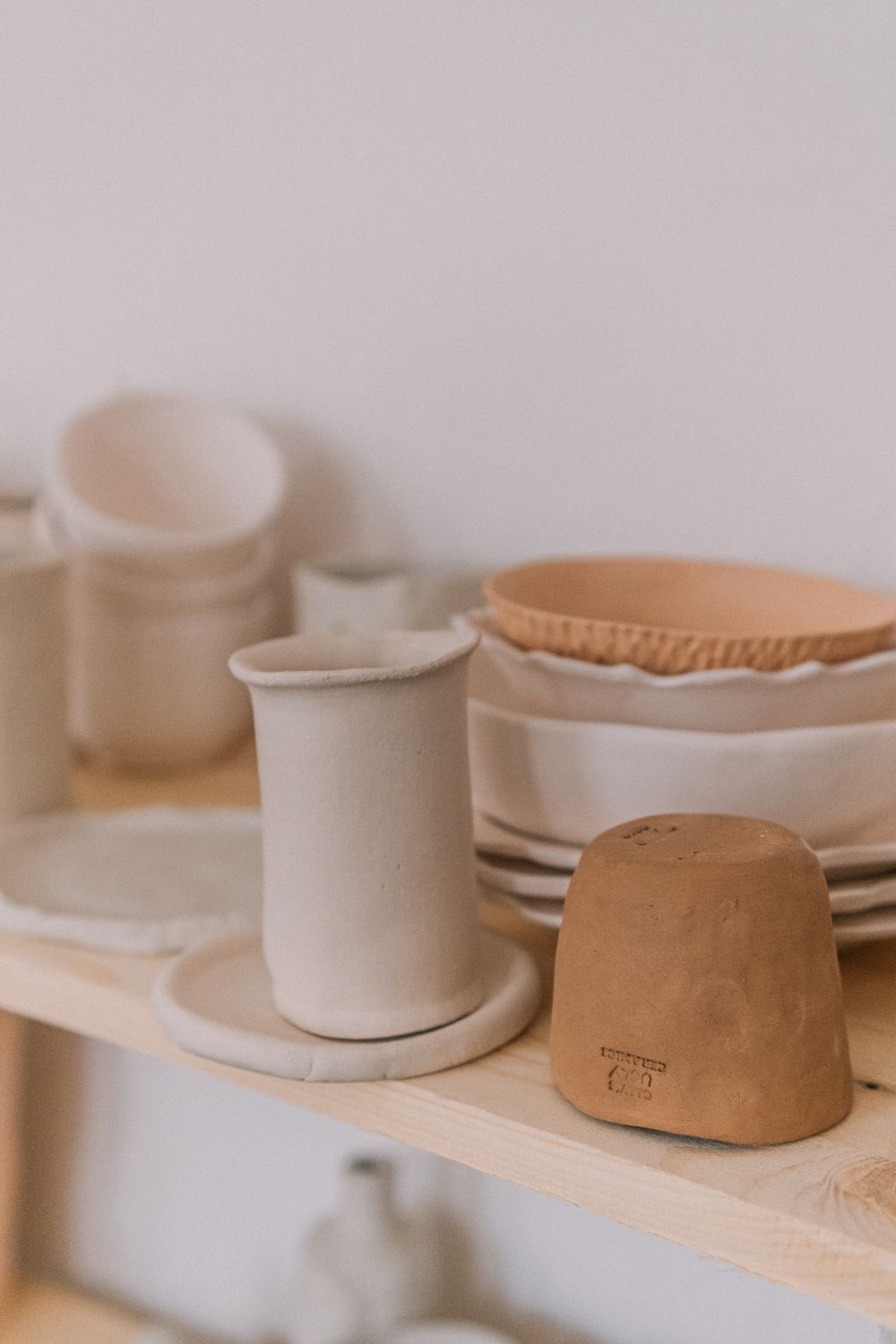
Plates & Bowls
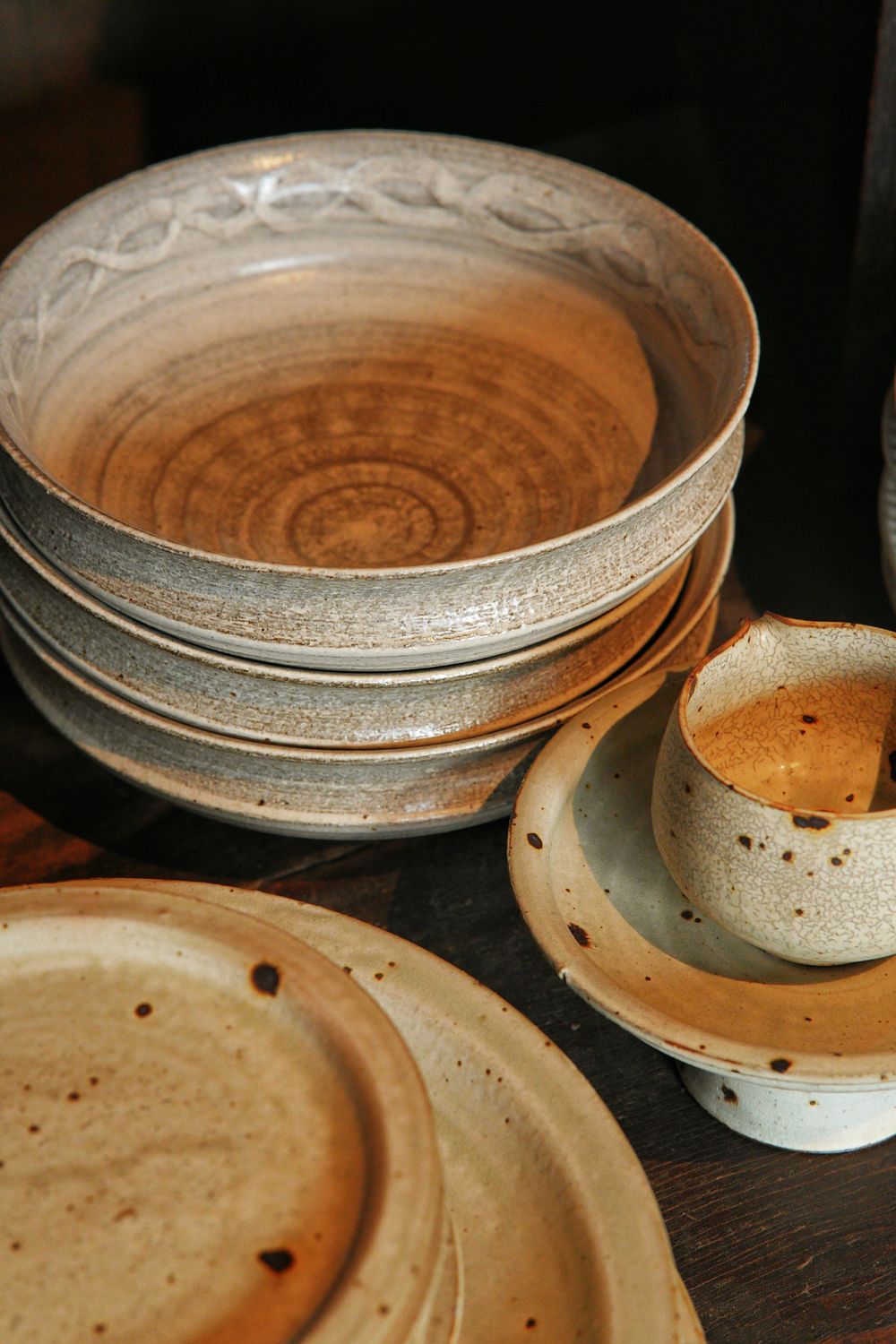
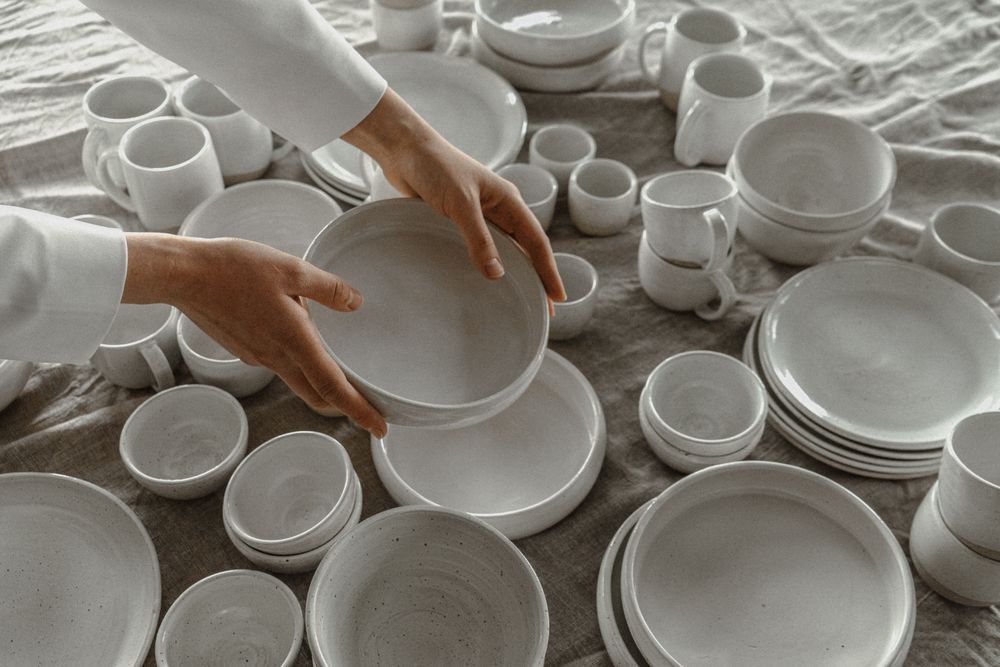
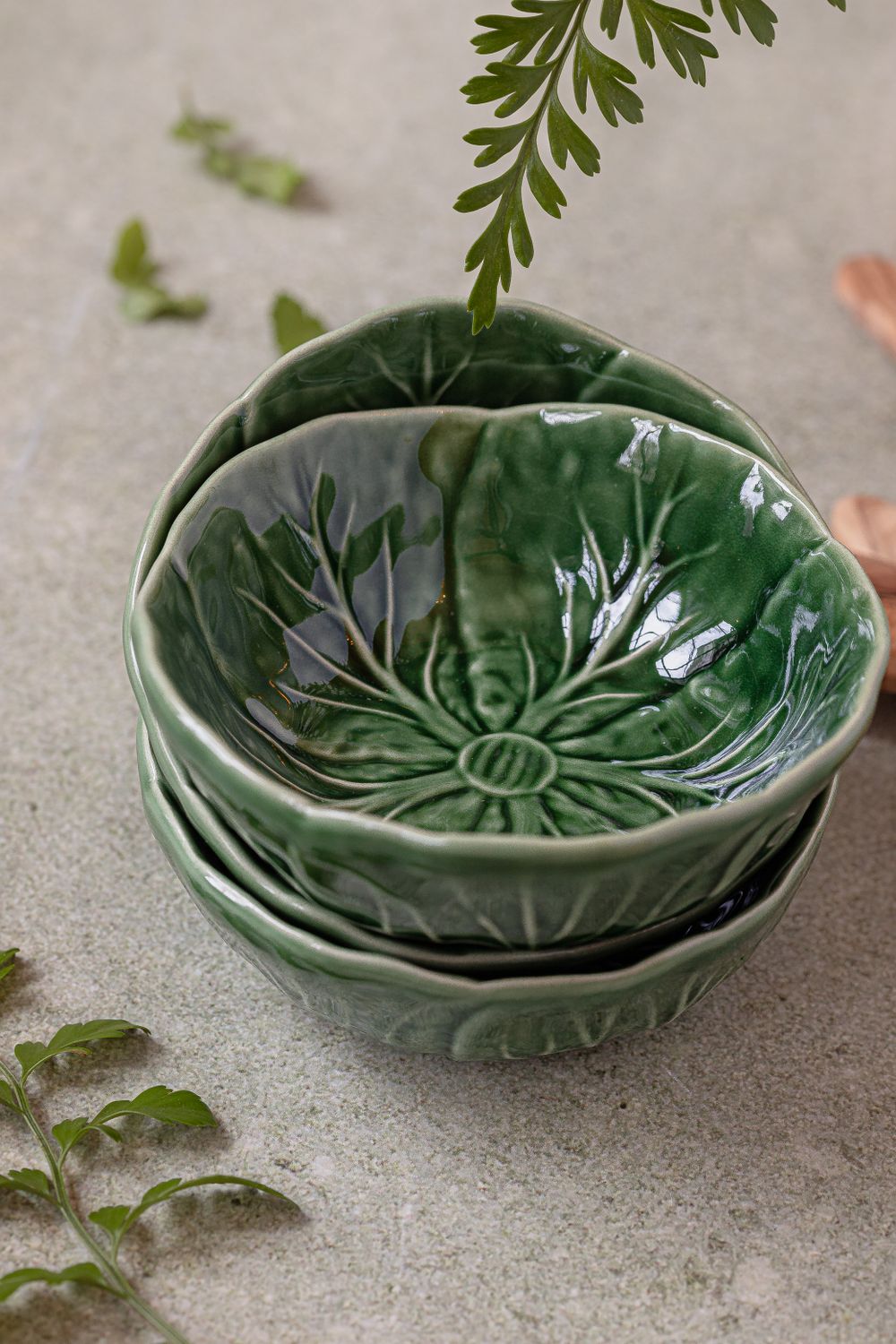
Thrown to a stacking profile: the foot ring of one sits inside the well of the next, so six plates take the height of four.
Collections
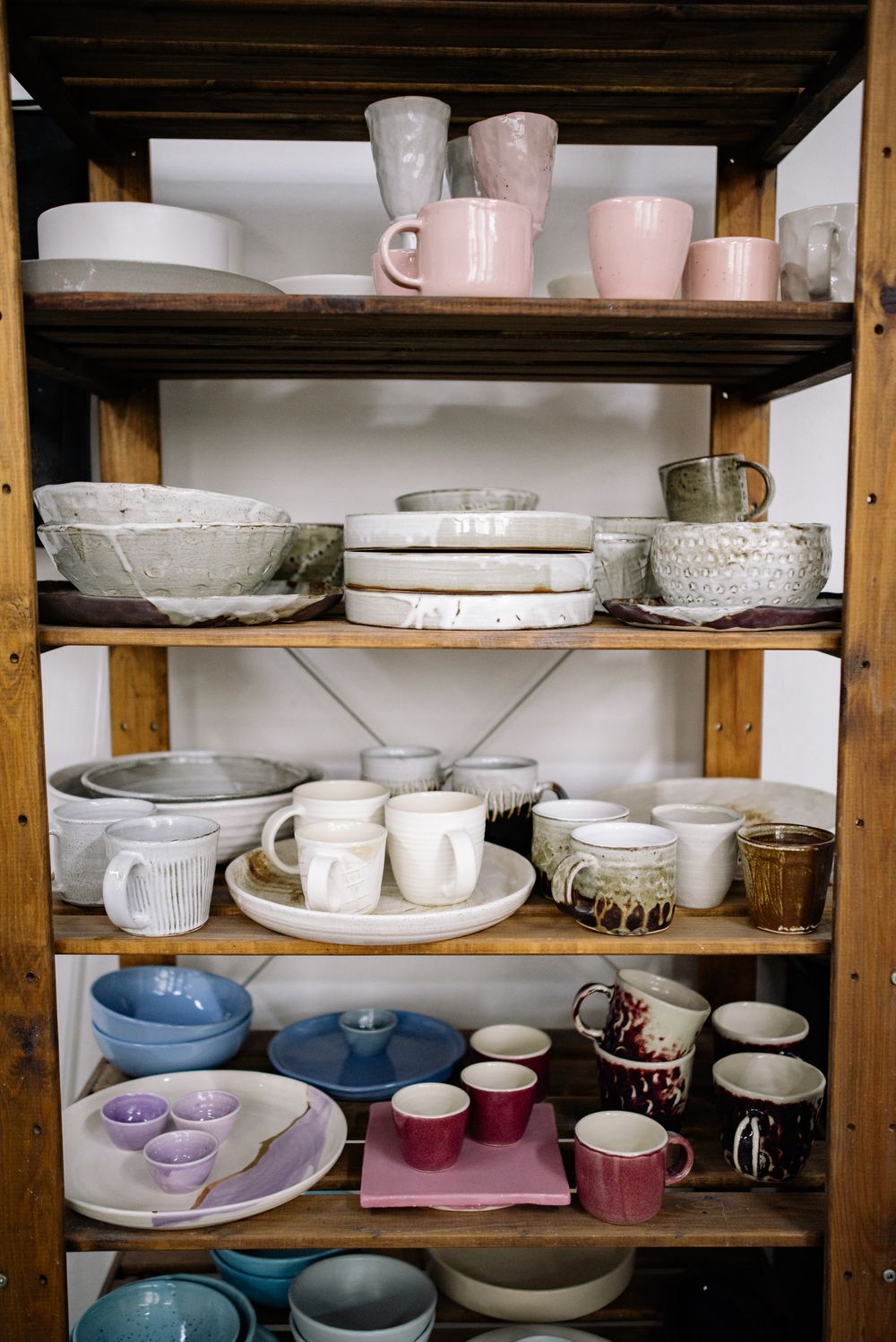
One clay body, four glazes, fired to 1260°C in the studio kiln. Dimensions are the average of the last firing — hand-thrown work varies by two or three millimetres and we would rather tell you than pretend otherwise.
Thrown to a stacking profile: the foot ring of one sits inside the well of the next, so six plates take the height of four.
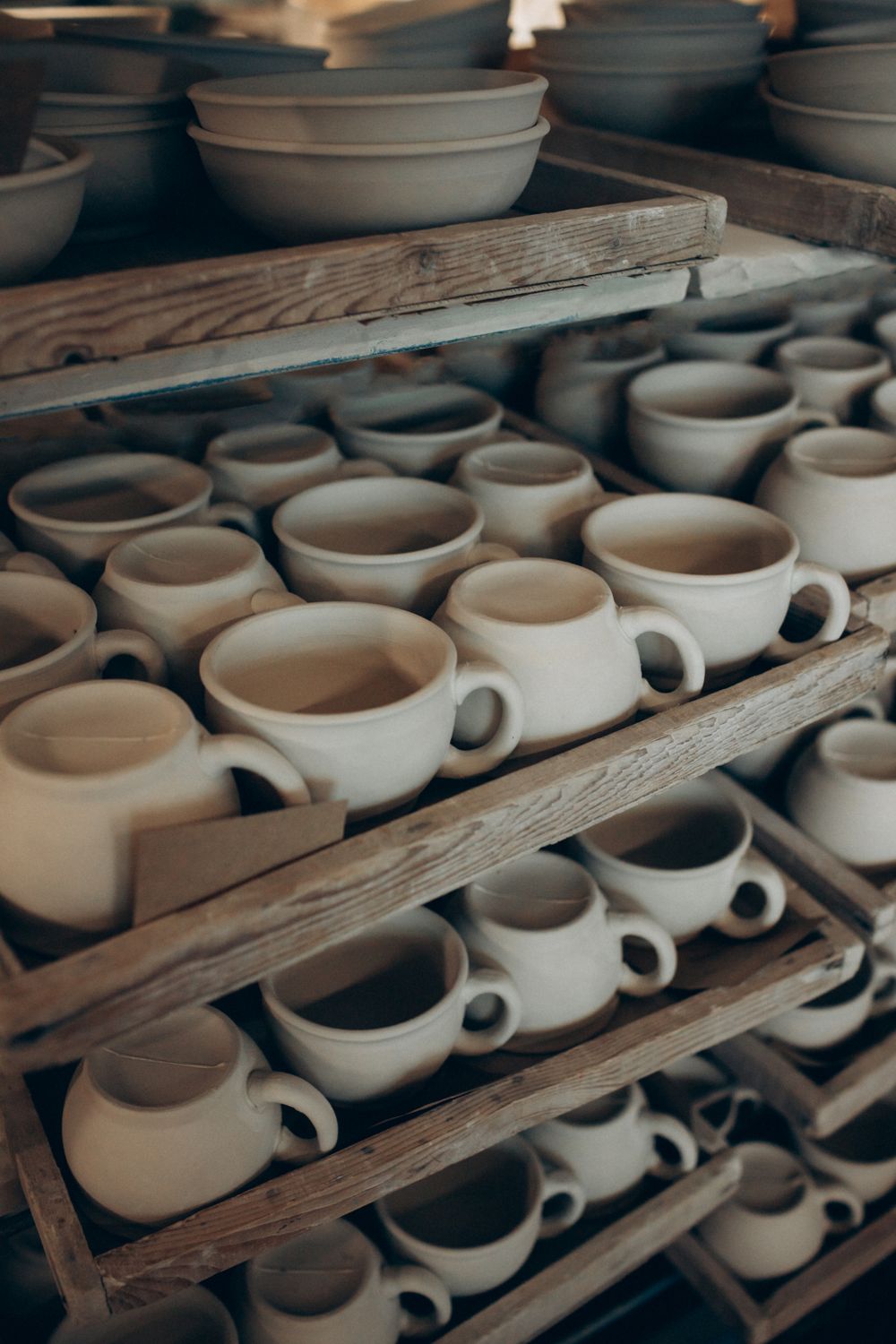
Two handle shapes. The pulled handle is drawn from a lug of clay by hand and takes four times as long as the extruded one; it is also the one that fits a hand properly.
Made in ones and twos rather than batches. Larger forms take more clay, more drying time and more of the kiln, so they appear irregularly.
| Piece | Diameter / capacity | Weight | Stacks |
|---|---|---|---|
| Dinner plate | 270 mm | 690 g | Yes, six to 190 mm |
| Side plate | 210 mm | 380 g | Yes |
| Pasta bowl | 220 mm | 520 g | Yes, four deep |
| Everyday mug | 320 ml | 340 g | No — pulled handles do not stack |
| Breakfast cup | 450 ml | 420 g | No |
| Tumbler | 250 ml | 240 g | Yes, three |
| Serving bowl | 2 l / 280 mm | 1,340 g | No |
Sets of six are thrown from one batch of clay, glazed together and fired together, which gives the closest match we can honestly offer. Ordering six one-at-a-time across three firings will give you six plates that are recognisably siblings rather than twins.
Larger sets — a restaurant order, a wedding list — are quoted separately and usually need eight to ten weeks. Two firings, not one.